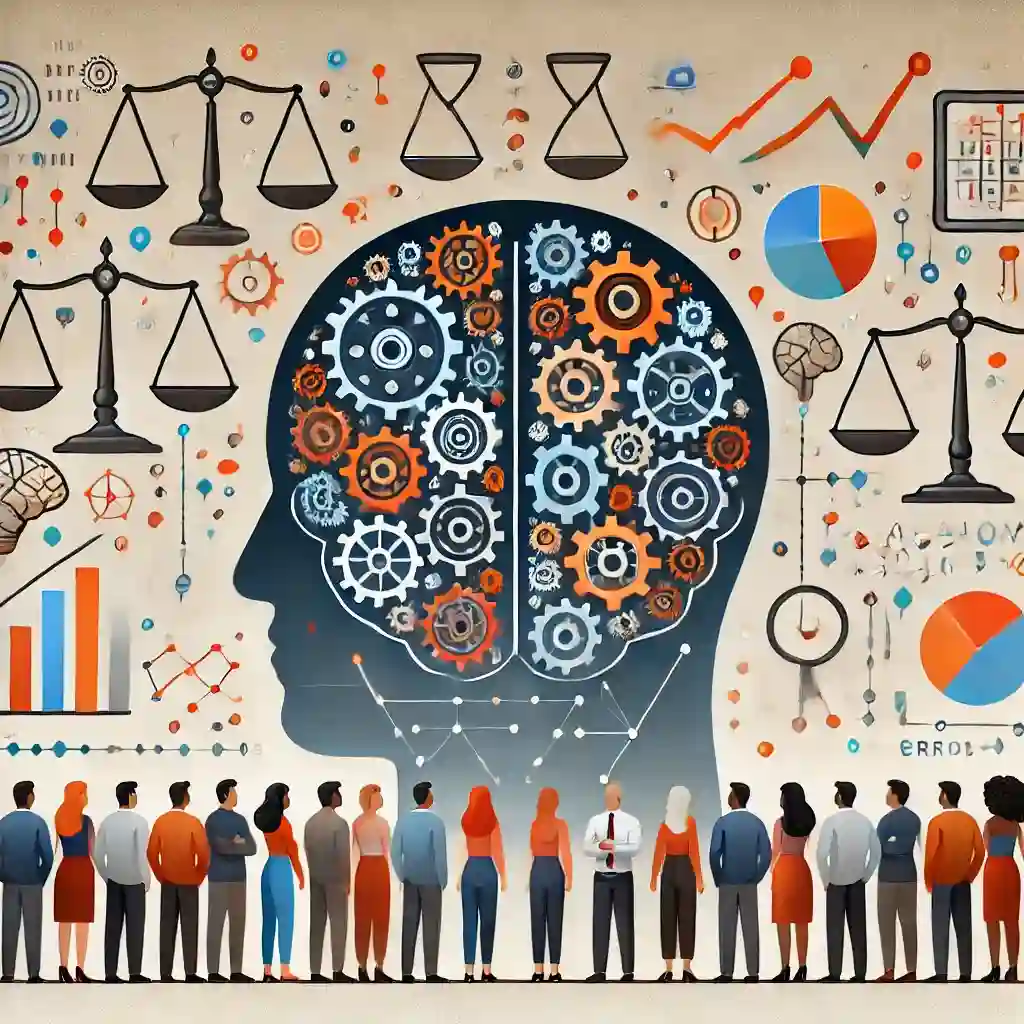
Problem or Pain Point: The Pervasive Influence of Bias
Biases are inherent in human cognition, often operating below the level of conscious awareness. They can manifest in various forms, such as racial, gender, confirmation, or anchoring biases, among others. These biases influence our judgments, leading to skewed perceptions and unfair decisions. In the workplace, for instance, biases can affect hiring practices, performance evaluations, and team dynamics, ultimately undermining diversity and inclusion efforts.
The consequences of unchecked biases are far-reaching. They perpetuate stereotypes, contribute to systemic inequalities, and hinder our ability to make objective and informed decisions. In an era where social justice and equity are increasingly prioritized, addressing these biases is not only a moral imperative but also essential for personal growth and societal progress.
Solution or Main Content: Techniques for Recognizing and Mitigating Bias
- Awareness and Education: The journey to bias recognition begins with awareness. Educating oneself about different types of cognitive biases is a critical first step. Understanding biases such as confirmation bias, where one tends to favor information that confirms existing beliefs, or implicit bias, which involves unconscious attitudes towards certain groups, can help individuals identify these patterns in their thinking.
- Critical Thinking and Reflection: Regular self-reflection is a powerful tool in recognizing biases. This process involves critically examining one’s thoughts, behaviors, and decision-making processes. By asking questions like, “What assumptions am I making?” or “Could there be another perspective?”, individuals can uncover hidden biases. Seeking feedback from others can also provide valuable insights into one’s biases.
- Diversifying Information Sources: A key strategy in mitigating external biases is diversifying the sources of information. Engaging with media from different perspectives, cultures, and backgrounds helps in developing a more balanced understanding of issues. This practice not only broadens one’s worldview but also challenges preexisting notions and stereotypes.
- Mindfulness and Emotional Regulation: Emotions often play a significant role in biased thinking. Mindfulness practices, such as meditation, can help individuals become more aware of their emotional responses and the triggers that lead to biased judgments. By cultivating a habit of pausing and reflecting before reacting, individuals can approach situations with greater objectivity.
- Structured Decision-Making: Implementing structured decision-making frameworks can reduce the influence of biases. Techniques like using checklists, criteria grids, or decision matrices ensure that all relevant factors are considered objectively. These tools help in minimizing the sway of subjective opinions and emotions in the decision-making process.
- Inclusive Practices and Policies: In organizational settings, implementing inclusive practices and policies is vital for mitigating biases. This can include diversity and inclusion training, anonymizing resumes during the recruitment process, and establishing clear criteria for performance evaluations. Organizations that prioritize inclusivity create environments where diverse perspectives are valued and biases are less likely to influence decisions.
- Seeking Diverse Perspectives: Actively seeking out and valuing diverse perspectives can also mitigate biases. Whether in professional settings or personal interactions, engaging with people from different backgrounds and experiences enriches understanding and fosters empathy. This diversity of thought is essential for challenging biases and fostering innovative solutions.
Benefits and Advantages: Creating a Fairer and More Objective Environment
Addressing biases has numerous benefits. On a personal level, it leads to more accurate and fair judgments, better decision-making, and enhanced interpersonal relationships. In professional and organizational contexts, mitigating biases fosters a more inclusive culture, which can enhance employee satisfaction, creativity, and overall performance. Organizations that actively work to reduce biases are more likely to attract and retain diverse talent, which is increasingly recognized as a key driver of innovation and competitive advantage.
Furthermore, the broader societal benefits include promoting social justice and equity. By acknowledging and addressing biases, individuals and organizations contribute to a more fair and just society, where opportunities are accessible to all, regardless of background.
Conclusion
Biases, though an inevitable part of human cognition, do not have to dictate our actions or decisions. By employing techniques such as awareness, critical thinking, mindfulness, and structured decision-making, we can mitigate the impact of biases and strive for more objective and fair outcomes. Whether on a personal or organizational level, the effort to recognize and reduce biases is a crucial step toward creating a more just and equitable society.